Plants & pets · 2 min read
Choosing plants for homes with cats or dogs
A few good starting points and what to look for on the plant label.
Start with the plant’s scientific name. Common names overlap, so a name like “rubber plant” can point to more than one species. Match the full name with an ASPCA listing for your animal before bringing a plant home.
Match your light first
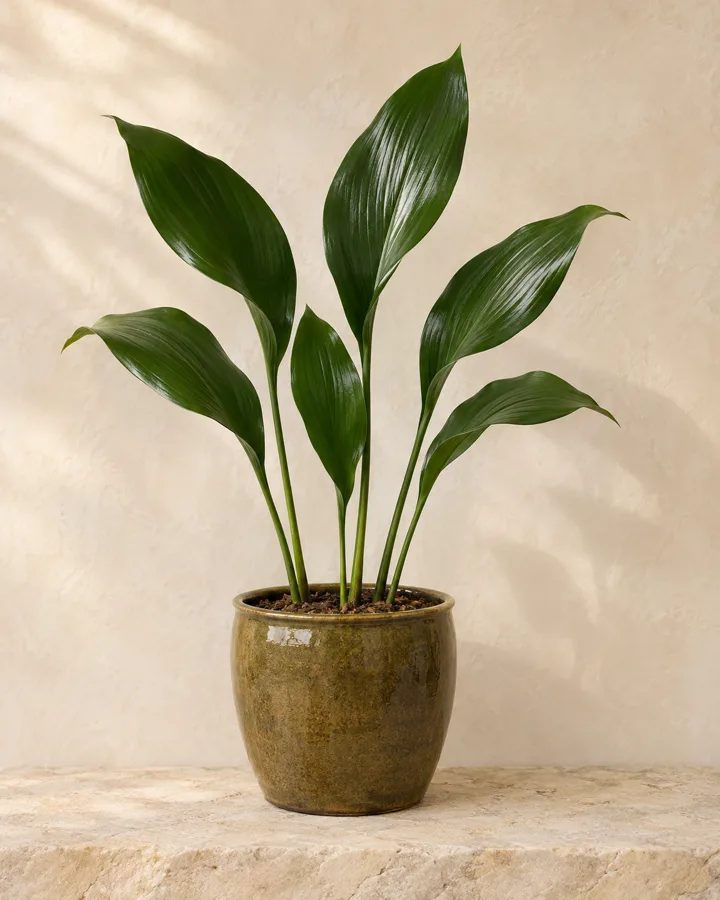
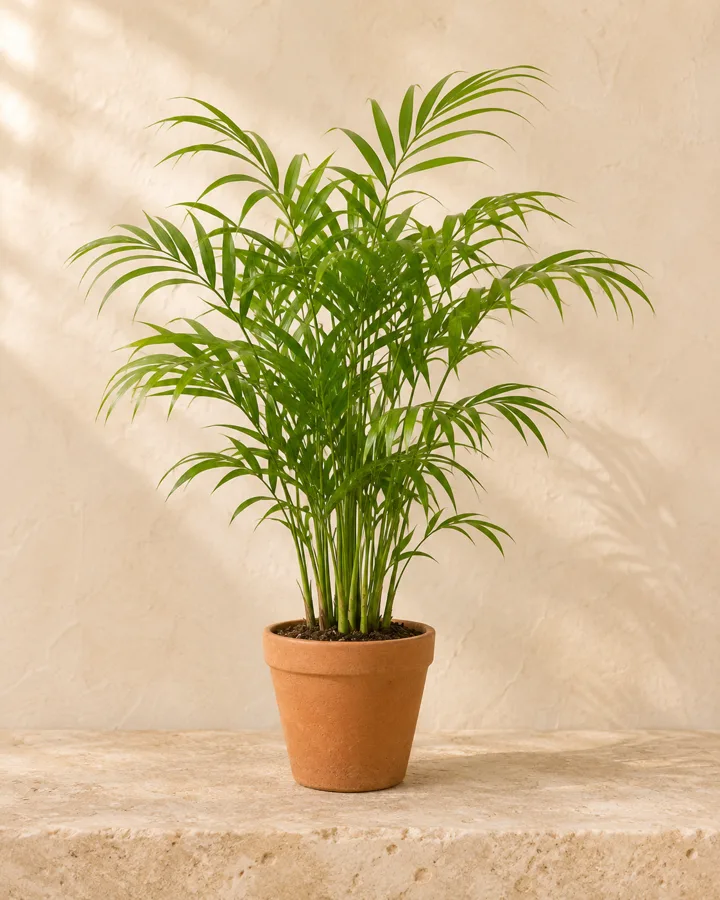
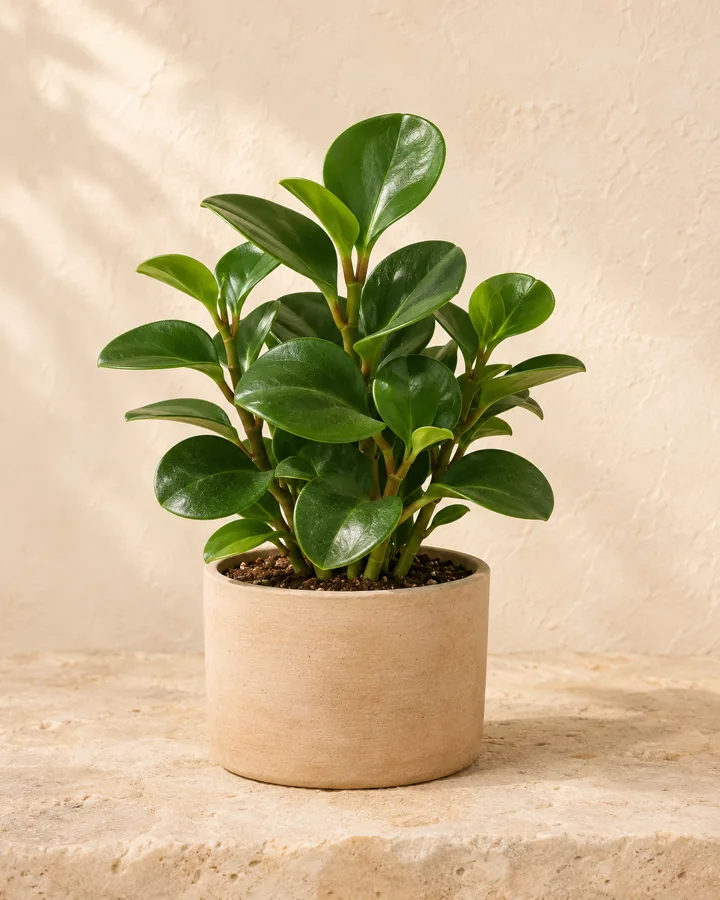
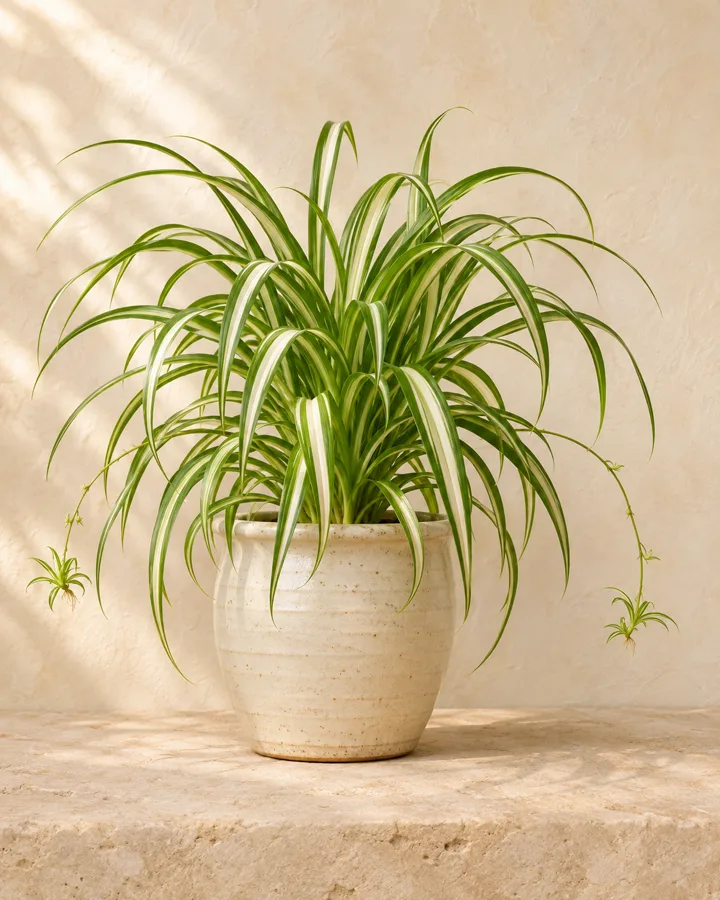
A cast-iron plant (Aspidistra elatior) or parlor palm (Chamaedorea elegans) can work with gentler daylight. For a brighter shelf or desk, consider a spider plant (Chlorophytum comosum) or baby rubber plant (Peperomia obtusifolia). The ASPCA lists these four species as non-toxic to both cats and dogs.
Check the species before you buy
Look for both words of the scientific name on the tag. If the label is missing or unclear, ask the seller to confirm the species. Golden pothos and snake plant are both listed as toxic to cats and dogs, so choose another plant if yours may chew or play with the leaves.
Keep curious pets away from pots
Select a stable spot out of reach and pick up fallen leaves. Chewing plant material can upset a pet’s stomach even when the species is listed as non-toxic. If you think your pet ate a poisonous or unidentified plant, contact your veterinarian or ASPCA Poison Control.